Conversing with the trees
- Amna Qamar

- Apr 21, 2024
- 4 min read

In history, one cannot ignore the complex and often problematic relationship between humans and nature. Over time, as human civilization has advanced, the importance of preserving nature has been overshadowed by the pursuit of progress and development. Vast expanses of forested land have been cleared to make room for towering structures and urban infrastructure. However, amidst this rapid urbanization, the question arises: who bears responsibility for the significant loss of trees?
Inshal Tahir, a graduate of Indus Valley School of Art and Architecture, poses this very concerning question as she collects various broken logs and branches from different parts of Karachi and brings them to Full Circle Gallery as part of her solo show ‘Lovers before time’. A space crafted for dialogue and the expression of fragile concerns. It's ironic to observe the treatment shift as the broken-down parts of a tree, which are left outside to be swept away or burnt, are turned into beautifully crafted sculptural installations to highlight Karachites' extravagant habit of cutting trees. Searching for avenues of renewal and repair, Tahir dedicated a year to the 'Museum of Repair' residency program, a collaborative initiative between the Vasl Artists Association and The Repair Atelier in 2023. This program marked the third chapter of its museum series, aimed at empowering creative practitioners to explore repair as a contemporary form of expression, emphasizing agency and resistance against environmental degradation. During her time, she experimented with various mediums to observe similarities between the skin of man and nature, studying the rawness of existing wounds over some time.
Wounds, whether physical or emotional, leave a person in an uncomfortable state of mind. They accompany us in our everyday ventures, penetrating our thoughts and remaining a significant part of our lives. In her statement, Tahir quotes, ‘I have an injury in my left arm, my body is scarred and uprooted.’ The tangible scars and cuts left on our bodies are reminiscent of the skin of a tree, with textures, soft red brown tones, and marks holding memories of past encounters. The artist describes it as 'my white flesh visible', carefully tracing the lines of what remains, where loss and remembrance become familiar factors. It takes time to gather up the strength to accept and talk about it. When further asked, the artist elaborated that her father had passed away, reflecting on her own experiences of love and loss. Through her art, she offers a glimpse into the universal truths that unite us all, reminding us of the beauty and resilience of the human spirit. Similarly, trees also take a long time to heal, there should be no rushed process. Just as it takes time for trees to heal, humans also need time to recover. Some damages are lifelong, and there is a lot of acceptance in that. Others give you hope and inspire you to keep going.
Through research and prior personal accounts, Tahir delves into the relationship of living entities, which have undergone numerous experiences, both good and bad, circumstantial yet unpredictable, some ruthless. She goes on to express, ‘My lower limbs are weaker than my upper limbs,’ a subtle suggestion of the deep-rooted connection between two bodies, bodies that have weathered over the passage of years. Grown old and outgrown, they have experienced the harshness and softness of the surroundings, yet have withstood it, exhibiting a lot of strength and power to remain affirmed despite external factors. Slightly dulled yet still vibrant in personality. She relates her experiences to those of the various trees in Karachi, studying how detachment of any body from its roots signifies a loss to mankind.
Therapy is like a foreign language. No one likes to talk about their vulnerabilities. Either it's ignored or completely destroyed. How many of us can say we have healed from a certain situation? A practice so unfamiliar with humans is equally strange for mending the wounds of nature. In the West, people treat tree wounds like they do human injuries in hospitals. They use cables and wires for support, prune damaged branches, and cover wounds to prevent infection. Plus, they ensure healthy growth by watering, fertilizing, and managing the soil. To fix or repair a tree, which is not a central part of our society, is often neglected. We frequently see trees and branches cut down and burnt, with some accidents left untreated. As a child, I was told that we could talk to the trees. They hear and respond to us. I used to stand by the window sill, overlooking the years-old peepal tree, and pray. Pray to be as fruitful and refreshing. A prayer to take away the sadness. It didn’t cross my mind until now that maybe the trees themselves are silently asking for more care.
‘My wounds, tree wounds, us as one’
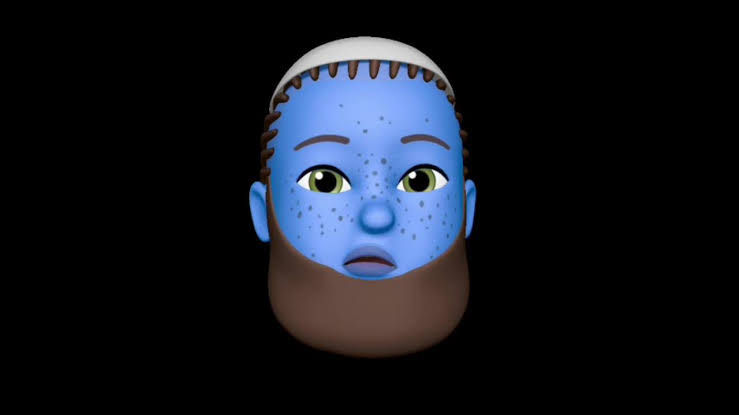
As a devoted lover should, Tahir devised her method of mending and mediating between the bodies. Transitioning into her artistic approach, she invites viewers to step through a black curtain into a space full of exciting colors and visuals. There's a blend of ambiguity and familiarity, as the space buzzes with activity, reminiscent of an amusement park where one must choose which ride to experience first. Tahir emphasizes, 'There is more to my body than browns and greens,' creating an environment saturated with blue light and vibrant color tones. Despite our tendency to perceive things as a whole, Tahir encourages us to explore the intricacies of daily life, from the delicate plant growing out of a crack to the peeled-off paint revealing childhood memories. Through her vivid illustrations, she reveals the complexity of trees, prompting viewers to recognize the layers of memories held within. This realization dawns upon the viewer upon leaving the space, reminding us to be mindful of the myriad colors present in nature.
Breaking from the conventional way of exhibiting work, Tahir transforms the entire gallery space into a canvas, activating the floor, ceiling, and walls with her drawings, animations, and sculptures. This creates a perfect blend of artificial and natural elements. She projects images as well as paints directly onto the wall. She also incorporates casts of her hands delicately holding branches and intertwining strings and fish wires among the plants. Overhead tree branches to evoke a sense of excitement and consolation. Yet a particular fear of being wounded. Each viewer notices new cues, prompting them to engage in meditative practice and a relationship with oneself.
A walk to an imaginative park.


Comments